.jpg)
Which Hydraulic Post Driver Is Best for My Tractor?
Getting the right hydraulic post driver for your tractor comes down to three things: what your tractor can handle, the terrain you're working on, and…
1. Easy Access (Your Knees Will Thank You)
A low platform height makes a big difference when you're constantly getting on and off the tractor.
2. Reliable Braking System
Braking is critical, especially on steep terrain.
Example: Tractors like the Deutz Fahr Agrofarm Series include front wheel braking for added control.
3. High-Performance Hydraulics
Hydraulics are the backbone of any fencing setup.
 at around

Advanced option:
4. Tight Turning Circle (Maneuverability Matters)
Fencing often happens in awkward spaces.
5. Forward/Reverse Shuttle
This feature saves time and effort when positioning.
6. 4-Wheel Drive (4WD)
A must-have for hill work.
Tip: If using 2WD on steep slopes, always reverse downhill to maintain control.
7. Road Speed (40 km/h Minimum)
If you’re moving between jobs, speed matters.
 is the standard minimum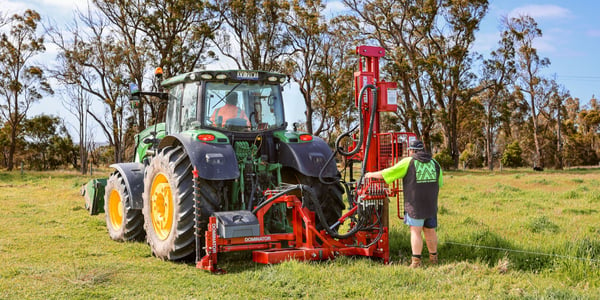
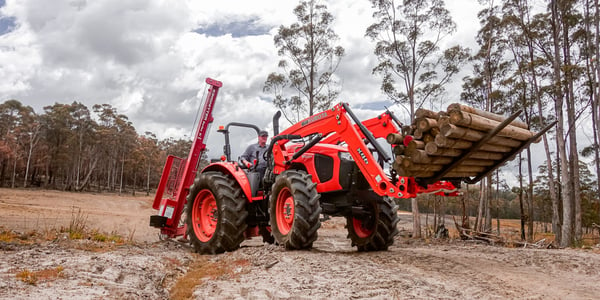
8. Front-End Loader and Forks
A versatile and essential attachment.
9. Oil Dump Capability
Post drivers need proper oil return flow.
 dump hose with quick-release fittings
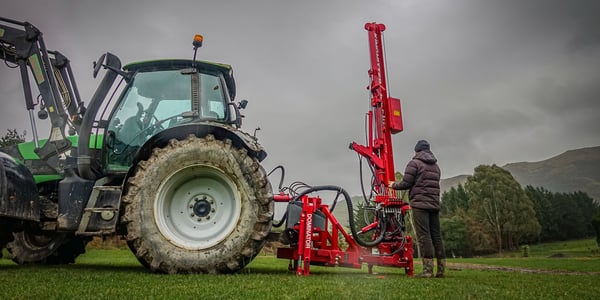
10. Tractor Balance and Stability
This is one of the most important—and often overlooked—factors.
Example:
Additional tip:
11. Local Support and Servicing for your Tractor
A tractor is an important investment, and in the case of a fencing contractor, is also a critical source of income. Try and purchase from a reputable dealer who can provide quality advice, excellent after sales support.
They will also have technicians who can keep the tractor regularly serviced to minimise any downtime
Other Features to Consider:
Rear Controls
Park Brake Setup
Top 5 Priorities When Buying a Fencing Tractor
If you’re narrowing it down, focus on these first:
Final Tip: Get Expert Advice
Every setup is different. Before buying, speak with a professional to make sure your tractor suits all intended tasks—not just fencing.
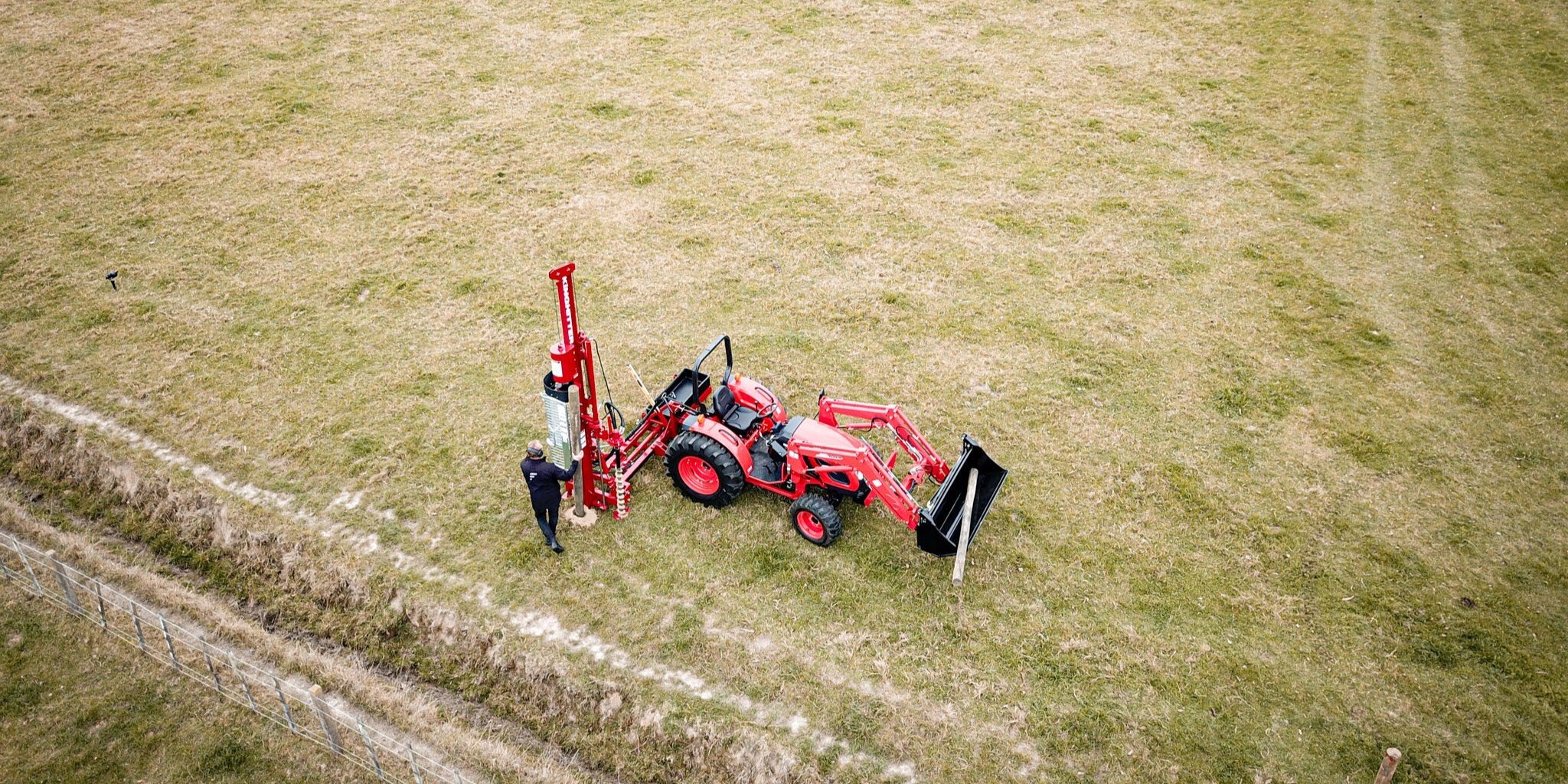
Book an on-site demo and discover why contractors and farmers choose Kinghitter for serious fencing work.
Book a Demo
.jpg)
.webp)